


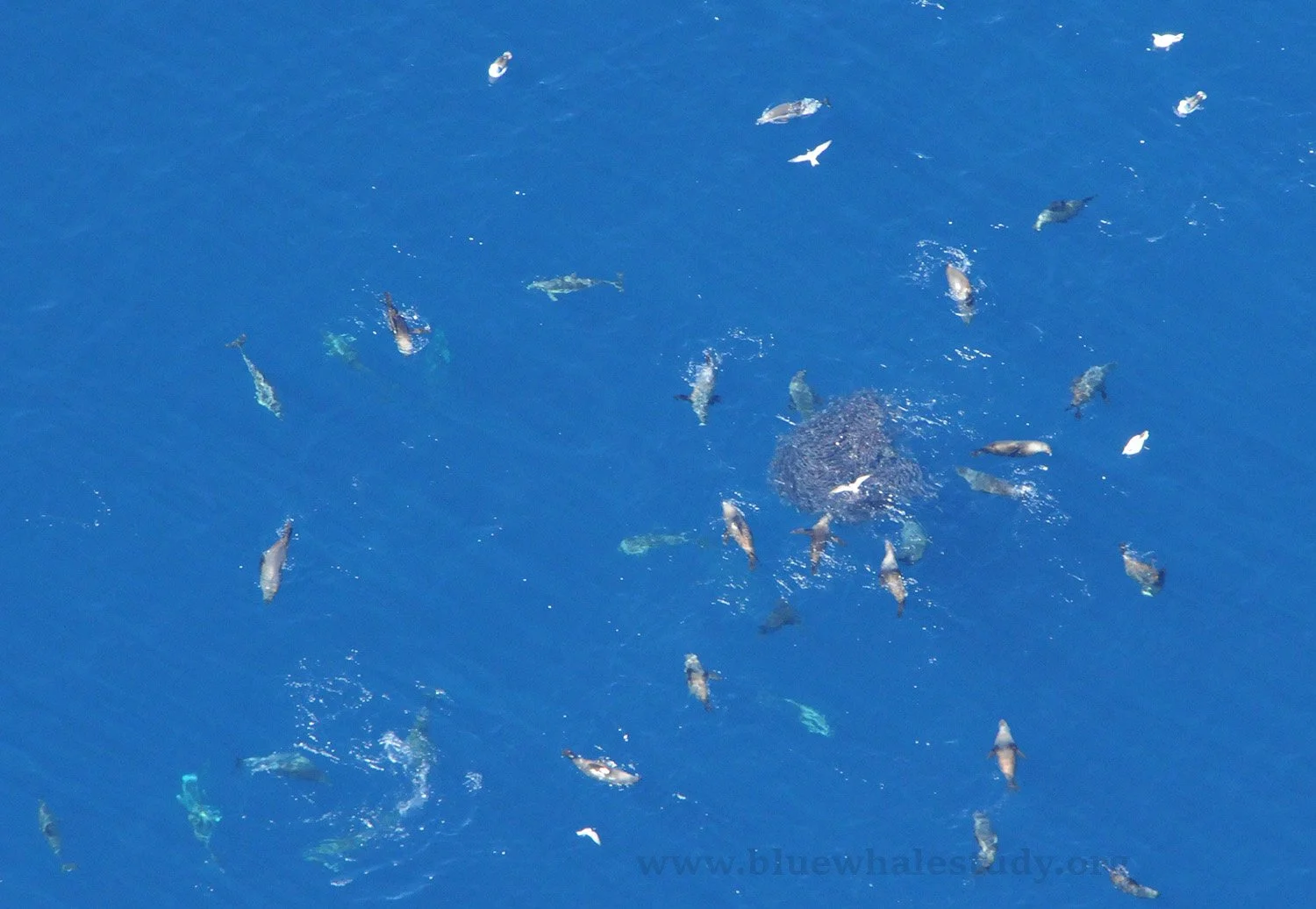


Blue Whale Study is the longest-running blue whale research program in the Southern Hemisphere

For 28 years, Blue Whale Study has conducted ecological research and education programs on pygmy blue whales and their cold water upwelling habitat off southeast Australia. We work in cooperation with local, state and federal governments, NGOs, universities, offshore industry and other research institutions to increase our scientific understanding of blue whales, with a long-term aim of ensuring their survival into an uncertain future.
Scientific Research • Education & Community • Blue Whale Conservation


Meet Dr Pete Gill
Dr Pete Gill became involved in whale research and deepwater sailing in 1983 after years spent as a rural worker in the Australian bush. For many years he assisted Dr Bill Dawbin, the ‘grandfather’ of humpback whale research, before branching out into his own studies of humpback migration. Using yachts, these studies took him to the Coral Sea, New Caledonia, the coast of Tasmania and Antarctic waters.
In 1989, Pete skippered the 20m schooner A & V Thistlethwayte in its research circumnavigation of Australia, the Oceanic Research Foundation’s “In the Wake of Flinders” expedition. This voyage extended the known distribution of breeding humpback whales to the northernmost point of the Kimberley coast, well north of Broome, the previous presumed limit.
The Antarctic region has been central to Pete’s evolving knowledge and understanding of whale biology and ecology. He has visited Antarctica 16 times: on private sailing expeditions including Riquita’s voyage to the Ross Sea in 1986, the Mount Minto Bicentennial Expedition in 1988, and the Iniquity whale survey in 1993; on whale surveys aboard the Australian government icebreaker Aurora Australis; and as a lecturer, boat driver and guide on Antarctic tourist expeditions with Aurora Expeditions, to the Ross Sea, East Antarctica and the Antarctic Peninsula. Pete assisted Dr Deb Thiele in initiating the first Australian Antarctic cetacean ecological research program on board the Aurora Australis.
In the early 1990’s, Pete spent two years as Marine Mammal Researcher with Greenpeace Australia while continuing humpback whale research. He also worked on southern right whales at the Head of Bight (South Australia) and in Western Australia, as part of a Sydney University research program. To support his research and expedition activities, he worked for years as a home handyman, and part-time writer and photographer.
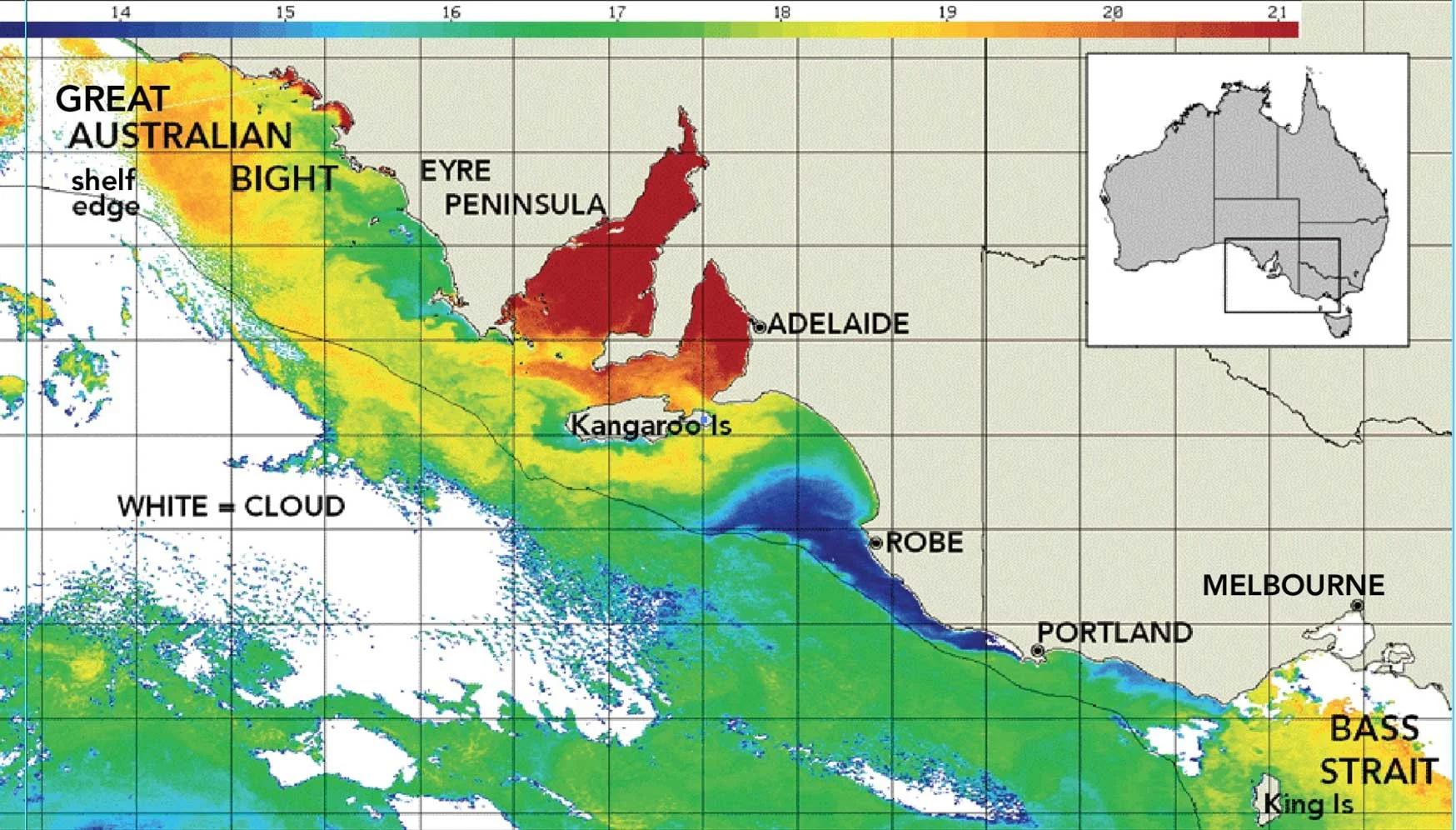
In 1998, Pete discovered that blue whales gather each year to feed on krill off south-west Victoria, and linked their presence to seasonal cold-water upwelling. Thus the Blue Whale Study came into being. It is now the longest running blue whale research program in the Southern Hemisphere. He lives in bushland near Portland, Victoria with his wife Susie and son Felix, close to the blue whales and his primary study area, the Bonney Upwelling.
Pete has authored numerous books, book chapters, scientific papers and magazine articles on whales, sailing and Antarctica. His photographs have appeared in numerous books, and he has lectured on whales, whaling and Antarctica.

Research News
Over many years we have conducted research into many aspects of blue whale ecology, behaviour and population status, including: photo-identification of individual whales; satellite tagging to investigate migration routes; dive logger tagging to investigate habitat use during foraging; blue whale feeding behaviour and acoustics; krill distribution and abundance; upwelling dynamics; and threats to blue whales and their habitat.
Our current focus is on understanding changes over recent years in the abundance and distribution in blue whales and their prey, the krill Nyctiphanes australis, and how these may be driven by changes in upwelling. We are waiting to hear about funding that would enable us to carry out a comprehensive of blue whale, krill and upwelling research during the 2026-27 and 2027-28 upwelling seasons.
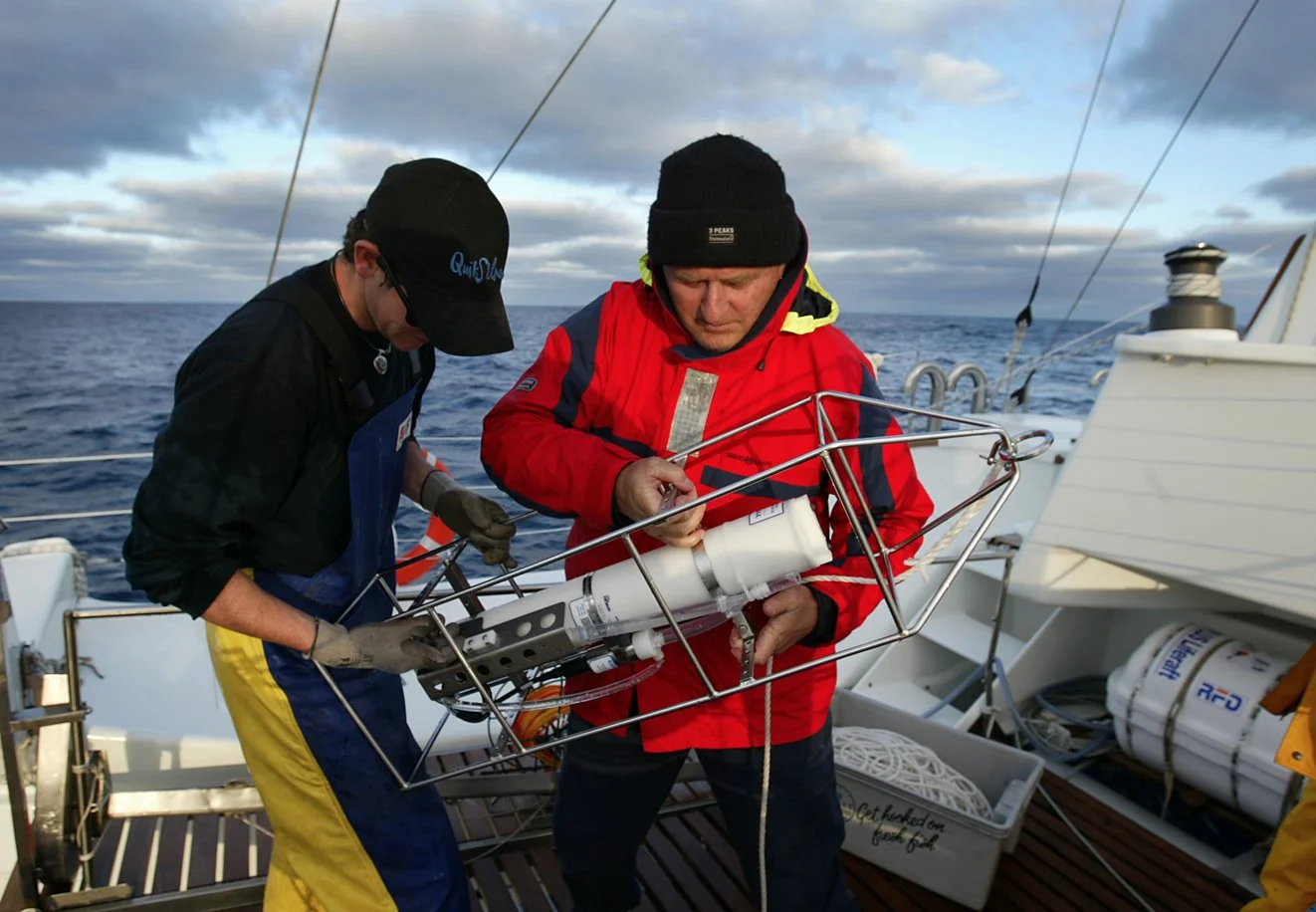
About BWS
Since 1998, Blue Whale Study has conducted ecological research and education programs on pygmy blue whales and their upwelling habitats in southern Australia. We work in cooperation with local, state and federal governments, NGOs, universities, other research institutions and offshore industry to pursue the best possible conservation outcomes for blue whales. Our long-term goal is to contribute toward the survival of this iconic mammal into an uncertain future.
FACT FILE
Blue whale
FAMILY: Balaenopteridae
GENUS: Balaenoptera
SPECIES: musculus
Blue whales are giant ocean wanderers of Southern and Northern Hemispheres. They are adapted for rapid, long-range movements between feeding areas that may be hundreds of kilometres apart, or feeding and breeding areas thousands of kilometres apart. Their cruising speed is around 20km/hr.


Subscribe to our newsletter
Keep in touch with our latest news and projects

Support us
Blue Whale Study is a not-for-profit independent organisation which conducts projects, scientific research, whale surveys and community engagement programs.
Endangered blue whales (Balaenoptera musculus) feed in our rich southern Australian waters.
By supporting Blue Whales Study you can contribute to the long-term understanding and conservation of this incredible animal.


